Start with the finished application
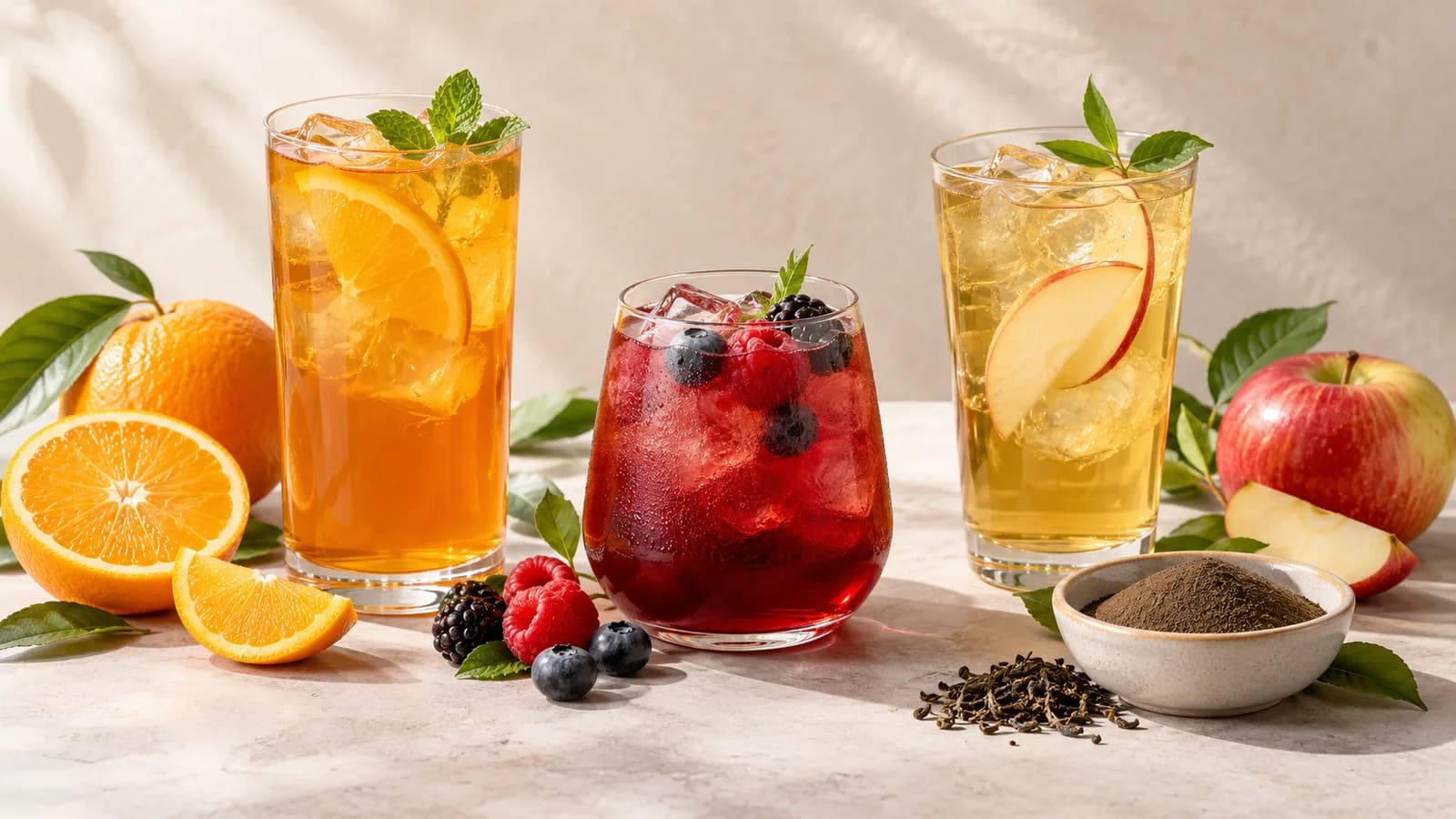
Begin by defining the product you are developing, including the product category, key sensory expectations and any processing considerations. A clear target application helps you select relevant samples and decide what your team needs to compare.
Build a consistent sample brief
Share a concise brief so each sample can be considered against the same development needs. Include the intended application, flavor direction, usage form and any processing or documentation questions that matter to your project.
Compare samples under the same conditions
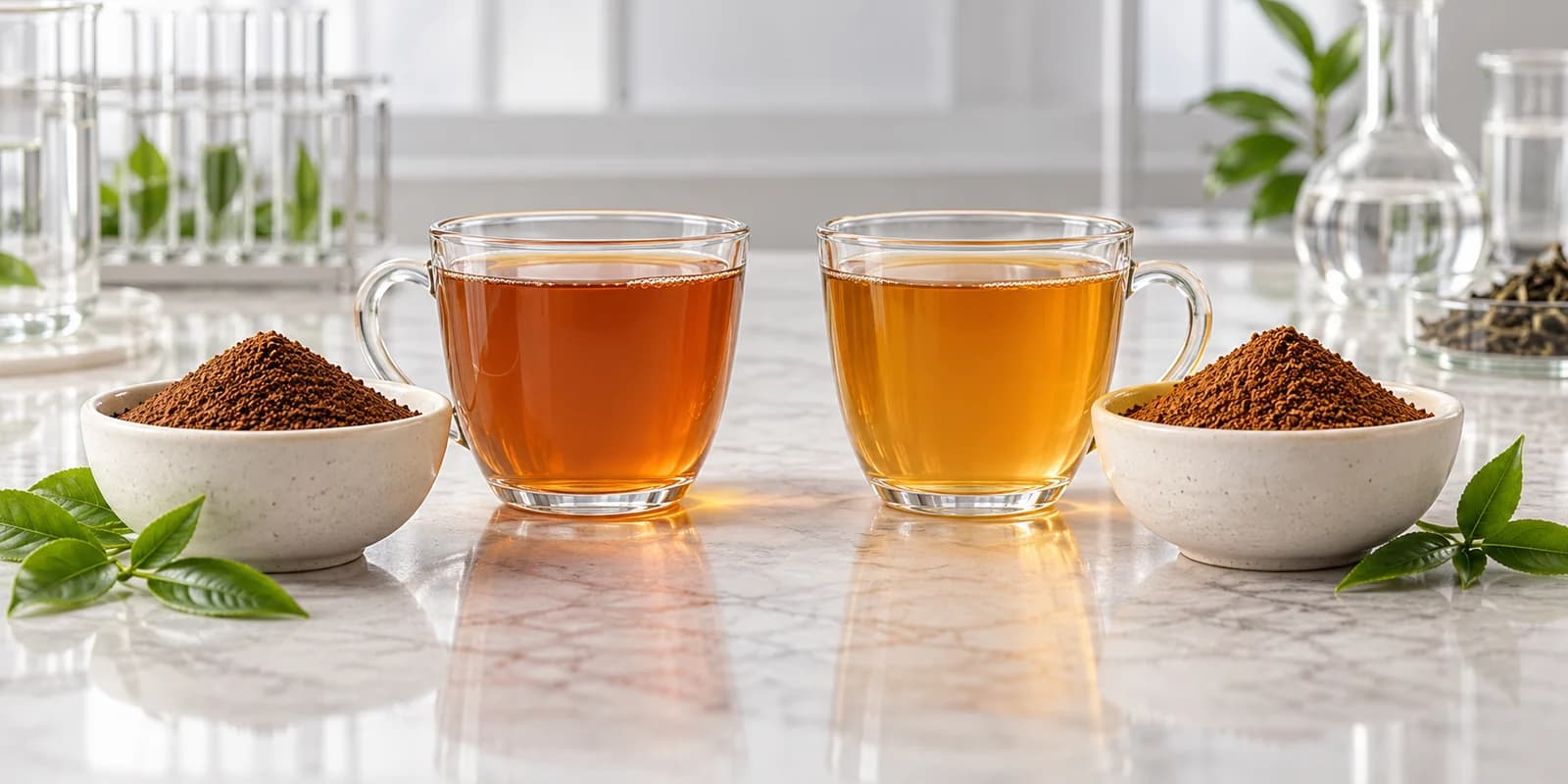
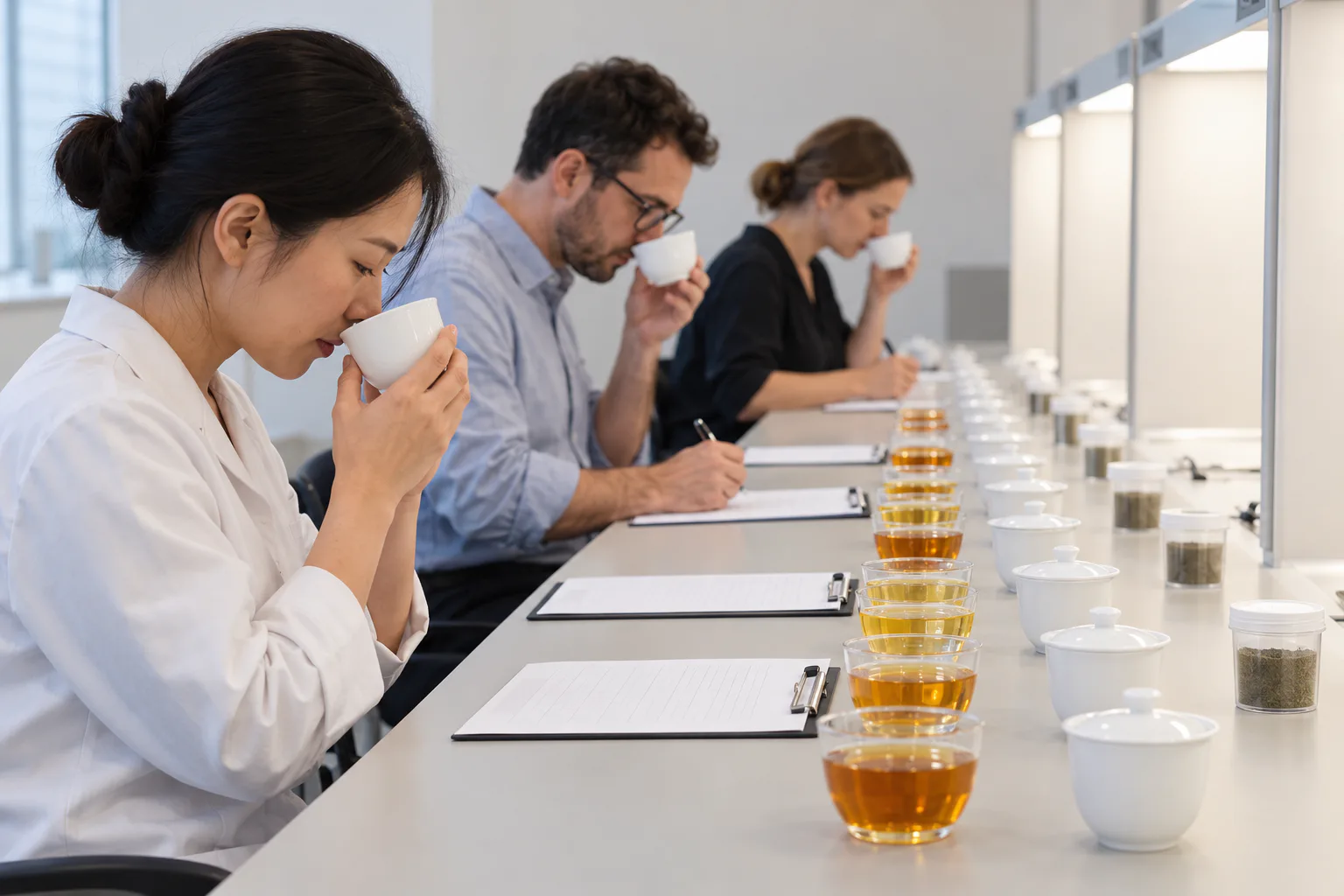
Use one preparation method, recipe and test environment across the samples you review. Keeping the conditions consistent makes differences in flavor, aroma, color and texture easier to discuss with your team.
A clear and consistent sample brief helps your team compare samples fairly and move toward specification alignment with greater confidence.
Record what changes during processing
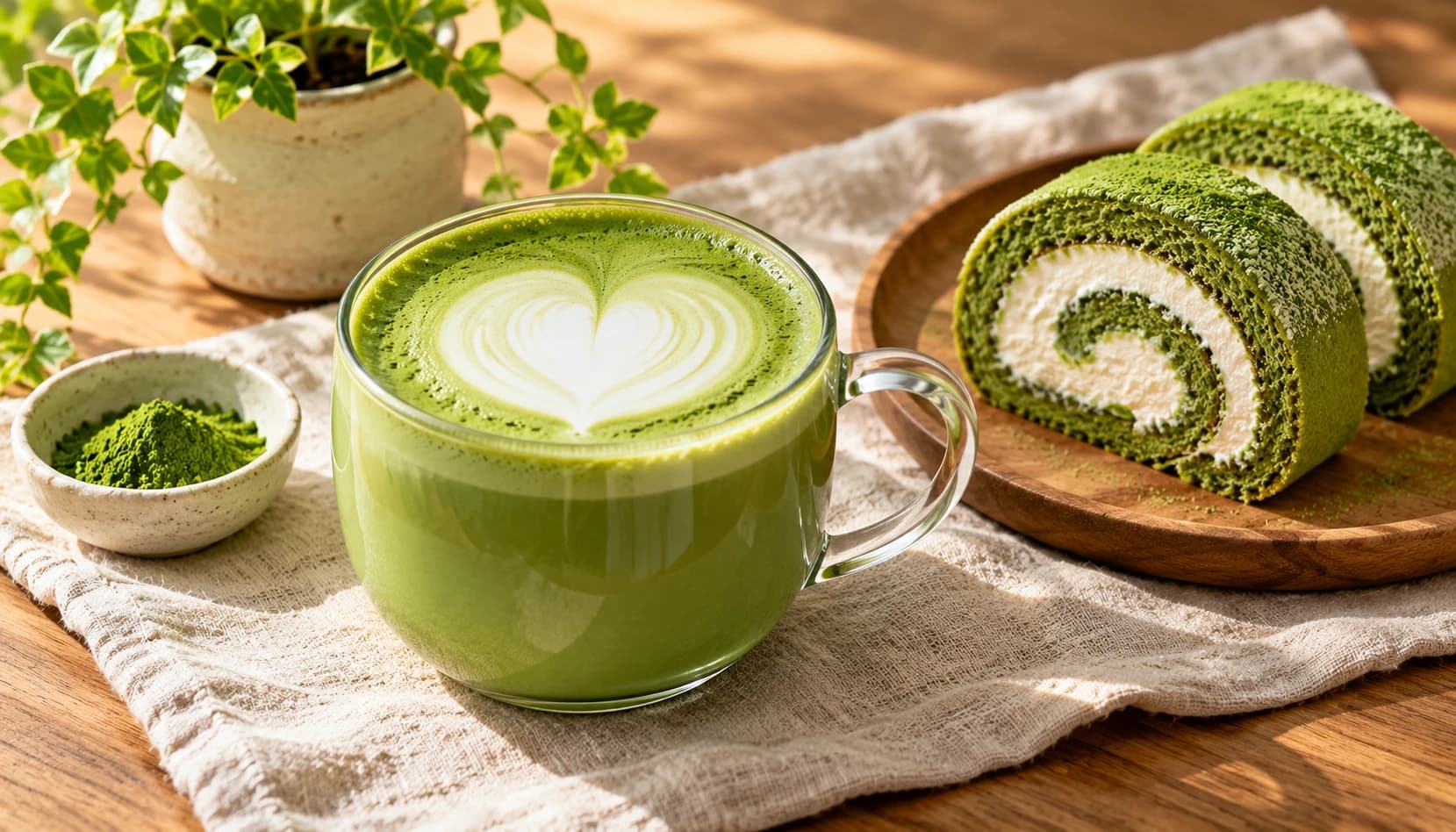
Observe each sample in your actual or simulated manufacturing process. Record changes that matter to the finished product and note the process conditions used, so later comparisons remain meaningful.
Align documents before scale-up
Before moving to the next stage, review the available product documentation with your supplier. Confirm that the information provided supports the requirements of your target market and internal quality process.
Example comparison table
| Evaluation area | Key questions | Notes |
|---|---|---|
| Application fit | Does the sample suit the intended product category? | Record the intended use and test format. |
| Sensory profile | How do flavor, aroma, color and texture compare? | Use the same preparation method. |
| Process performance | What changes under your selected process conditions? | Record conditions with each observation. |
| Documentation | Is the available information sufficient for the next step? | Confirm documents with the supplier. |